@jonas_tunander och @erikbrattlof visar hur man festar, 2012-style.
 Henrik Carlsson posted this
on
and tagged it with snapshots
Henrik Carlsson posted this
on
and tagged it with snapshots  Henrik Carlsson posted this
on
and tagged it with snapshots Henrik Carlsson posted this
on
and tagged it with snapshots
Henrik Carlsson posted this
on
and tagged it with snapshots Henrik Carlsson posted this
on
and tagged it with snapshots  Henrik Carlsson posted this
on
and tagged it with snapshots
Henrik Carlsson posted this
on
and tagged it with snapshots  Henrik Carlsson posted this
on
Henrik Carlsson posted this
on
One of the many parts of the Twitter Api 1.1 thats been quite ambiguous is the part about quoting tweets:
We will require all applications that display Tweets to adhere to [the display requirements]. Among them: linking @usernames to the appropriate Twitter profile, displaying appropriate Tweet actions (e.g. Retweet, reply and favorite) and scaling display of Tweets appropriately based on the device.1
It is not one hundred percent clear what an application means in this case. Marco Arment took a pessimistic approach:
I’m pretty sure this means that I can’t just display a tweet as a link and blockquote when I want to quote it here.2
When I first read that I shook my head in disbelief. ”They can’t possibly be that creepy and control-freaky, can they?” According to Jeremy Keith, turns out they can:
Just to double-check, I asked one of my (many) friends who work at Twitter. “These display requirements …they don’t apply to me quoting a tweet on my blog, right?”
The answer I got surprised me. Apparently the display guidel… requirements do apply to me. If I want to quote a tweet on my website, I’m supposed to use the embed code to make sure that people can favourite/retweet/follow, etc.3
Now, read that quoted part again and think about what it really means. Whatever you write on Twitter, they claim ownership of. Not only that, but they actually go so far as to suddenly dictate how you are allowed to quote the things written on their service. That completely violates years and years of writing tradition and, probably, a whole bunch of laws regarding fair use etc.
I’m not sure what Twitter is trying to pull here, but apparently they have gone completely insane. I hope every blogger in the world violates this. As long as you’re not an app developer, Twitters only response can be to take actual legal actions against it and I can’t possibly see how they could win such a case.
(What about newspapers? At least in Sweden newspapers sometimes quote famous peoples tweets in there printed edition. How the hell should they comply with this?)
Henrik Carlsson posted this
on
Many hackers moved to OSX. It was a good looking Unix, with working audio, PDF viewers, working video drivers, codecs for watching movies and at the end of the day, a very pleasant system to use. Many exchanged absolute configurability of their system for a stable system.1
I hesitate to call myself a hacker, but this paragraph pretty much sums it up for me as well.
In my pre-Mac life I had a computer with a Windows (mostly XP) partition for my audio work and a Linux partition for my development work. Nowadays the needs of both jobs happily coexist under the roof of OS X. I can run stable no fuzz audio recording and sequencing programs side by side with a Unix terminal.2
Henrik Carlsson posted this
on
and tagged it with snapshots  Henrik Carlsson posted this
on
Henrik Carlsson posted this
on
So when Twitter says something like “[developers] will need to work with us” to “identify areas of value” when they get big enough for Twitter to notice, I don’t have high hopes for what “working with us” might actually entail.
This is how Twitter treats its “partners”.1
Henrik Carlsson posted this
on
and tagged it with Kefalonia 






Klicka på bilderna för att se dom i större format och läsa bildtexterna.
Henrik Carlsson posted this
on
and tagged it with Kefalonia 








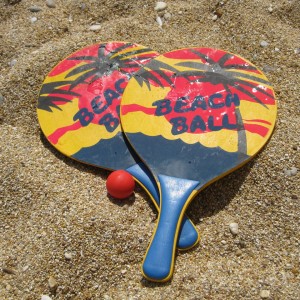
Klicka på bilderna för att se dom i större format och läsa bildtexterna.
Henrik Carlsson posted this
on
Back of the envelop: App price: $3 User Cap: 100k Apple Cut 30%. Hourly Rate: $150/hr => Max of 35 man-weeks of development supported1
Quite informative. 35 man-weeks sound like a fair amount of time for a low-complexity novelty app to me, but for a full fledged power user Twitter client it seems waaaay to little to succeed in the long run.
Yes, we do already have a lot of third party twitter client and based on Tapbots’ reactions it seems like things aren’t so bad, at least not for them, but who’s to say that the greatest third party twitter client hasn’t yet been released?
 ©
©